The expansion of Coyhaique Airport is not just a local matter; it marks a milestone in the history of the Aysén Region as the first infrastructure project to be granted under concession in this part of the country.
Why is this expansion necessary? How will it be carried out? What will it mean for the local community and the region as a whole?
In this blog, we will answer these questions and many more.
A Bit of History
Built on April 14, 1949, Coyhaique Airport has played a key role in the economic and social development of the Aysén Region. For years, it has facilitated both tourism and commerce, connecting this remote area with the rest of Chile and the world. However, over time, both the infrastructure and facilities have become insufficient to meet the growing demand.
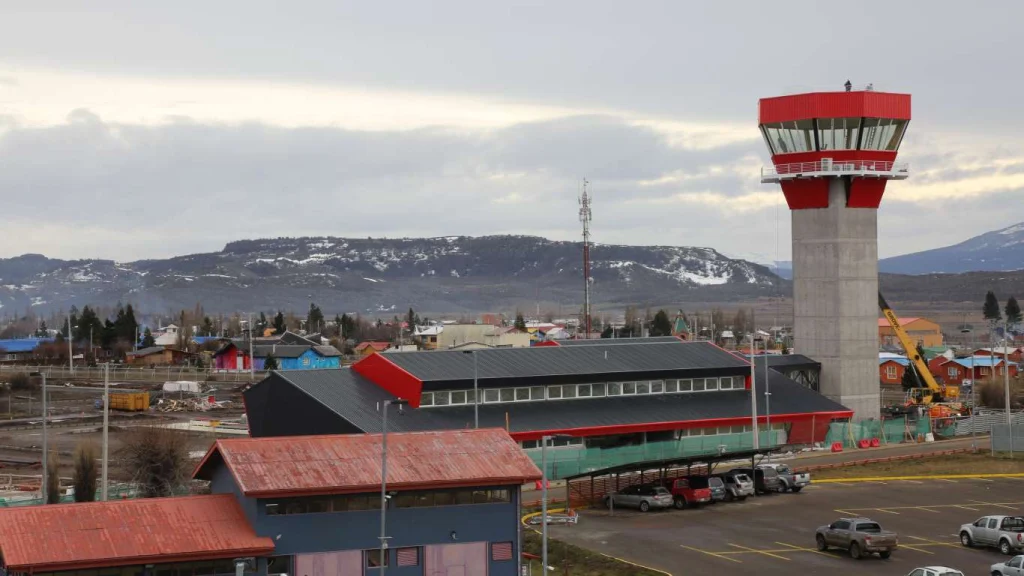
The Expansion Project
The Chilean government, in collaboration with various private partners, has allocated a budget of $50 million for the expansion. This project not only includes extending the runway but also improving service areas, passenger terminals, and cargo storage facilities. Scheduled for completion in 2026, the expansion also aims to incorporate sustainable technologies to minimize environmental impact.
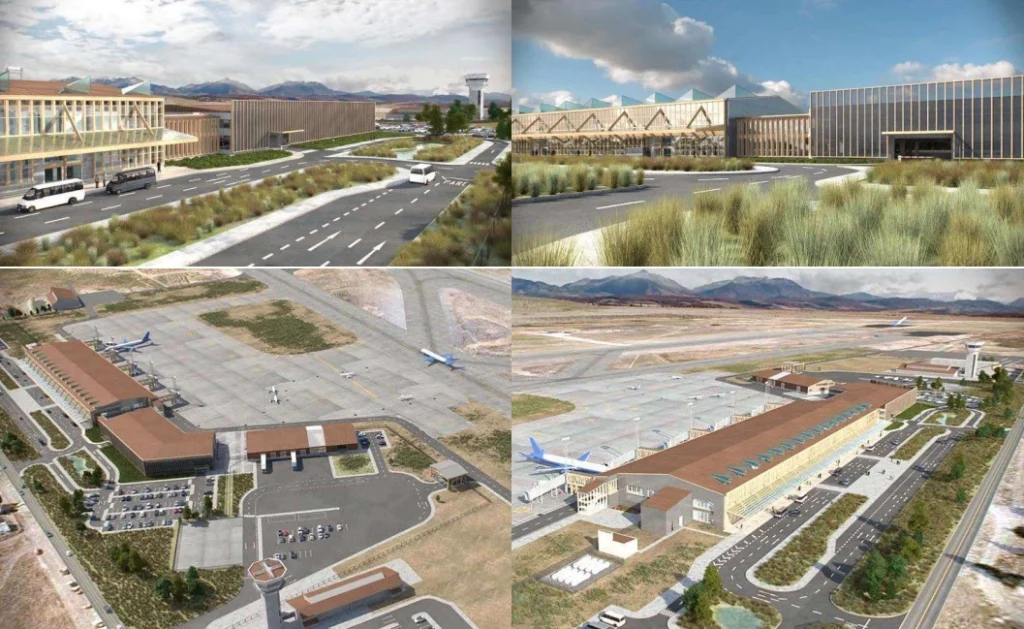
“This is not just an airport; this is a dream and an opportunity to build local economic development and project Patagonia to the world,” said Carlos Gatica, mayor of Coyhaique.
Importance of the Concession
The decision to make this project a concession represents a significant shift in how infrastructure projects are managed in the region. Under this model, a private company will be responsible for construction and potentially the operation of the expanded airport. This could lead to greater administrative efficiency and reduce the financial and maintenance burden on the local government. However, it also raises questions about public control and equitable access to these services.
Impact on the Aysén Region
The economic benefits are clear: job creation, a boost to tourism, and the opening of new trade routes. However, the project has also raised concerns regarding its environmental impact, especially in a region so rich in biodiversity. Additionally, the increase in traffic and human activity could have social implications that are still being assessed.
The expansion of Coyhaique Airport is not just a physical change in infrastructure; it is a symbol of the growth and development of the entire Aysén Region. However, with large projects come great responsibilities. How this development is managed could serve as a model for future projects in the region, and as such, it must be approached with care, deliberation, and public participation.